Industrial Chillers Guide: Key Functions, Applications, and System Performance
Industrial chillers play an important role in modern manufacturing, processing, and commercial operations.
These systems are designed to remove heat from equipment, products, or industrial processes and transfer that heat away from the working environment. By maintaining stable temperatures, industrial chillers help support consistent production conditions and protect sensitive machinery from overheating.
The concept of cooling industrial processes has existed for decades. As factories and production facilities became more automated and complex, the need for reliable temperature control increased. This led to the development of industrial chiller systems that could operate continuously while managing large cooling loads.
Today, industrial water chillers are used across many sectors, including manufacturing, food processing, plastics production, pharmaceuticals, electronics, and data centers. These systems are part of a broader category of industrial cooling equipment designed to regulate temperatures in environments where heat can affect quality, efficiency, or safety.
Industrial refrigeration systems and process cooling systems often work together to support production activities. While refrigeration focuses on maintaining low temperatures for storage or preservation, industrial process chillers are commonly used to cool equipment, machinery, and production processes.
How Industrial Chillers Work
Industrial chillers operate by absorbing heat from a liquid, usually water or a water-glycol mixture. The heated liquid is circulated through the system and cooled before being returned to the process.
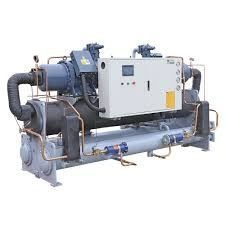
Most industrial chiller systems include:
- Compressor
- Evaporator
- Condenser
- Expansion valve
- Control system
- Pumps and piping
The chiller continuously removes heat from the process and releases it into the surrounding environment through either air or water.
Types of Industrial Chillers
Several types of industrial chillers are commonly used.
Air cooled industrial chillers release heat directly into the atmosphere through condenser coils and fans. They are often used where water resources are limited.
Water-cooled chillers transfer heat to a separate water loop and cooling tower. These systems are frequently used in facilities with large cooling requirements.
Industrial process chillers are designed specifically for manufacturing and production operations where temperature stability is critical.
Importance
Temperature control affects many aspects of industrial operations. Excess heat can damage equipment, reduce efficiency, and affect product quality. Industrial chillers help address these challenges by maintaining controlled operating conditions.
Supporting Product Quality
Many manufacturing processes require precise temperature management. Small temperature variations can affect product consistency, material properties, or production accuracy.
Examples include:
- Plastic injection molding
- Chemical processing
- Food production
- Pharmaceutical manufacturing
- Electronics fabrication
Industrial cooling equipment helps maintain stable conditions throughout these processes.
Protecting Equipment
Machinery generates heat during operation. If temperatures rise beyond acceptable levels, equipment components may wear more quickly or experience performance issues.
Industrial water chillers help remove excess heat from:
- Production machinery
- Laser equipment
- Hydraulic systems
- Printing equipment
- Medical manufacturing devices
Maintaining proper temperatures can support reliable operation and reduce unexpected interruptions.
Improving Energy Management
Efficient process cooling systems help facilities manage energy use more effectively. When cooling systems operate efficiently, equipment can perform within its intended temperature range without excessive strain.
Supporting Worker Comfort and Safety
Some industrial environments generate substantial heat. Cooling systems can help reduce heat buildup around machinery and production areas, contributing to safer and more comfortable working conditions.
Common Applications
Industrial chillers are used in many industries.
| Industry | Typical Cooling Application |
|---|---|
| Plastics Manufacturing | Mold cooling and temperature control |
| Food Processing | Equipment and ingredient cooling |
| Pharmaceuticals | Process temperature management |
| Electronics | Component production cooling |
| Chemical Processing | Reaction temperature control |
| Data Centers | Equipment cooling |
| Metal Fabrication | Machine and tool cooling |
| Printing | Press and equipment cooling |
Recent Updates
The industrial cooling sector continues to evolve as organizations focus on efficiency, automation, and environmental considerations.
Growth of Smart Chiller Monitoring Systems
One notable trend is the adoption of smart chiller monitoring systems. These technologies use sensors, connected devices, and software platforms to track system performance in real time.
Common monitoring functions include:
- Temperature tracking
- Pressure monitoring
- Energy consumption analysis
- Maintenance alerts
- Performance reporting
By collecting operational data, these systems help facility managers understand how equipment is performing and identify potential issues early.
Increased Automation
Modern industrial chiller systems increasingly include automated controls that adjust cooling output according to demand. This helps maintain stable temperatures while reducing unnecessary energy use.
Advanced controllers can manage:
- Compressor operation
- Pump speeds
- Cooling capacity
- System scheduling
Focus on Energy Efficiency
Organizations continue to seek cooling solutions that use energy more effectively. Manufacturers are introducing improved compressors, heat exchangers, and control technologies that support efficient operation.
Environmental Considerations
Industrial refrigeration systems are gradually incorporating refrigerants with lower environmental impact. Regulatory changes in many regions encourage the use of alternatives that reduce emissions associated with cooling equipment.
Integration with Digital Facility Management
Industrial process chillers are increasingly connected to facility-wide management platforms. These integrations allow operators to monitor cooling systems alongside other building and production equipment from centralized dashboards.
Laws or Policies
Industrial chillers are influenced by various regulations and standards that focus on safety, energy efficiency, environmental protection, and equipment operation. Requirements vary by country, but several common themes exist.
Environmental Regulations
Many governments regulate refrigerants used in industrial refrigeration systems. These rules aim to reduce substances that may contribute to environmental concerns.
Organizations operating industrial cooling equipment often need to:
- Follow refrigerant handling requirements
- Maintain proper documentation
- Conduct leak inspections where required
- Use approved refrigerants
Energy Efficiency Standards
Many regions have established energy performance requirements for cooling equipment. These standards encourage the use of technologies that reduce energy consumption while maintaining performance.
Workplace Safety Requirements
Industrial chiller installation must comply with workplace safety regulations. These rules may address:
- Electrical safety
- Equipment access
- Ventilation
- Pressure systems
- Emergency procedures
Building and Mechanical Codes
Installation and operation of industrial chiller systems are often governed by local building codes and mechanical standards. These requirements help ensure that equipment is installed safely and operates within approved guidelines.
Inspection and Maintenance Requirements
Some jurisdictions require periodic inspections of industrial refrigeration systems and related equipment. The purpose is to verify safe operation and compliance with applicable regulations.
Tools and Resources
Various tools and resources help facility managers, engineers, and operators evaluate and manage industrial cooling systems.
Cooling Load Calculators
Cooling load calculators help estimate the amount of cooling capacity needed for a specific application. These tools consider factors such as:
- Heat generation
- Ambient conditions
- Production requirements
- Equipment characteristics
Energy Monitoring Platforms
Digital energy monitoring tools track electricity consumption and system performance. These platforms can provide insights into operational efficiency and equipment utilization.
Smart Chiller Monitoring Systems
Smart chiller monitoring systems provide real-time visibility into equipment operation. Common features include:
- Remote monitoring
- Automated alerts
- Historical performance data
- Predictive maintenance indicators
Equipment Documentation Libraries
Manufacturers often provide technical documentation libraries containing:
- Operating manuals
- Installation guides
- Maintenance schedules
- Technical specifications
These resources help users understand system requirements and operating procedures.
Industry Standards and Technical Organizations
Engineering organizations publish standards and guidance documents related to industrial cooling equipment, refrigeration systems, safety practices, and performance measurement.
Maintenance Tracking Software
Maintenance management platforms help organizations schedule inspections, record maintenance activities, and track equipment performance throughout the operational lifecycle.
FAQs
What are industrial chillers used for?
Industrial chillers are used to remove heat from manufacturing processes, machinery, and production equipment. They help maintain stable temperatures in industries such as plastics, food processing, pharmaceuticals, electronics, and chemical manufacturing.
How do industrial chiller systems improve process performance?
Industrial chiller systems help maintain consistent operating temperatures. Stable temperatures can support product quality, equipment reliability, and efficient production processes.
What is the difference between air cooled industrial chillers and water-cooled chillers?
Air cooled industrial chillers release heat into the surrounding air using fans and condenser coils. Water-cooled chillers transfer heat to a water loop and cooling tower. The choice depends on facility requirements and operating conditions.
What are smart chiller monitoring systems?
Smart chiller monitoring systems use sensors, software, and communication technologies to track temperature, pressure, energy use, and equipment performance. These systems provide real-time information that supports operational monitoring and maintenance planning.
What should be considered during industrial chiller installation?
Industrial chiller installation typically involves evaluating cooling requirements, available space, electrical infrastructure, ventilation needs, piping arrangements, and compliance with applicable regulations and safety standards.
Conclusion
Industrial chillers are essential components of many modern production and processing environments. They help remove excess heat, support temperature-sensitive operations, and protect equipment from overheating. Industrial chiller systems, industrial water chillers, and other forms of industrial cooling equipment are used across a wide range of industries. Advances in automation, monitoring technology, and energy management continue to shape the development of process cooling systems and industrial refrigeration systems. Understanding their functions, applications, and operational considerations provides a useful foundation for anyone seeking to learn about industrial cooling technology.